Showing posts with label Mobile and Tablet. Show all posts

4.14.2015

Sony Xperia Z3


Sony Xperia Z3 review


Our Verdict 

An improvement over the Z2, but not a huge one. It does pack a great, bright screen but needs to be better packaged to fight the best on the market. 

  • For 
Brilliant battery 
PS4 Remote Play is brilliant 
Premium build 

  • Against 
Bugs in the operating system 
4K still doesn't work properly


The Sony Xperia Z3 isn't a phone that you'd have thought would make a lot of sense. After all, the Xperia Z2 was a nifty little handset and yet it's now been replaced barely six months later.
The new phone, from the outside at least, doesn't seem to add much more into the mix, merely improving things a little more and tweaking elements that were already pretty good. So has Sony really done enough?

The Xperia Z3, which lands alongside a new tablet and mini phone to complete the family (the Xperia Z3 Tablet Compact and the Xperia Z3 Compact), is a really good phone that does it all, on paper at least.
Sony told me that the reason these flagships are coming thick and fast is simply because it wants to start making waves in the high-end smartphone market, and the way to do that is always offer the best innovation.


That's perhaps true, and perhaps customers won't get too confused by seeing a new phone on the shelves and advertised all the time, but there's no doubt it kills the lustre that might have been built by users having to wait a year to get the best of Sony in a smartphone.
It needs to work as well - while Sony does OK in some markets (it's still got a lot of fans in the UK, for example) the profits are dipping in the smartphone business, and something needs to be done to arrest the slide.
So is the Xperia Z3 that phone? It does come in attractive colours (white, black, copper gold and 'silver green') and has a shrunken frame, improved camera and that all important Sony PS4 Remote Play compatibility.


Sony Xperia Z3 review
Black, white, a silvery-green and copper are your choices

Those things alone would be good enough for most, and the IP68 rating (which might not really change the way 99% of people use their phone) is at least a good 'peace of mind' marketing tool.
But what about when the new Xperia Z4 lands on shelves? Surely this model will be seen as clumsy and outdated too, despite a lower price point?
The rumours of the Xperia Z4 have been heating up really quick and we'll likely see the handset on shelves by the end of the year.
The latest rumours suggest it'll be a much bigger update than between the Xperia Z2 and Xperia Z3, especially if it comes toward the end of the year as that'll be almost a year after the Xperia Z3 was released.

Design

The design of the Sony Xperia Z3 is something that surprised me from the word go - I didn't expect to be as impressed as I am.
This is a phone that has dimensions of 146 x 72 x 7.3 mm, which compared to the Sony Xperia Z2 (146.8 x 73.3 x 8.2 mm) doesn't seem all that different.
But the slightly shrunken nature of the chassis is very nice indeed (especially the millimeter thickness shaved off the phone), and something that I really want to laud the brand for.


The ergonomics still don't quite impress - this is, after all, a slab of light-feeling glass encased in a metal band, and the flat edges make it slightly harder to hold and grip (and easier to drop, as I did a couple of times).
But in terms of aesthetics, it somehow impresses me every time I look at it. Yes, the bezels above and below the display aren't anything to get excited about (they're just too large to look nice, but presumably pack some important components) but the overall package looks premium.


Sony Xperia Z3 review
OK to hold, easy to drop

The copper colour I had on test is also something I didn't expect to like - after all, this is really a brown phone - but it again seems to exude a quality that belies the slightly lower price tag.
On top of that, the edges have been rounded to make holding the phone an altogether more pleasant experience. I wasn't expecting to feel much difference between this and the Z2 given the similarity in dimensions, so this was a nice surprise.


Why the dock connector?

The rest of the phone is largely as expected: the Omnibalance key at the side is pretty easy to strike, and although the volume key is positioned just below and theoretically too close, the larger size of the phone makes it easy enough to differentiate in the hand.
I do hate that Sony keeps putting a dock connector on the left-hand side of the device - this confuses in the hand, feeling a bit like the volume key, and I can't see that it's something many people would actually use given the smaller sales of such aftermarket accessories.
Then there are the port covers. We clearly need these to make sure the phone is fully waterproof of course, but the problem here is that they ever so slightly stick out, even when pressed in as hard as possible.

The main culprit is the cover for the microSD and SIM card (which is now a nano option, showing Sony is starting to fall in line with the rest of the industry) which just protrudes slightly and therefore ruins the sleek, premium air the Sony Xperia Z3 has.


     The port covers just don't stay flush


The other change to the design is the nylon covers in the corners of the phone - apparently these are cleverly added to stop the phone looking so damaged. According to Sony, most phones land on these corners when dropped, so putting the covers on helps stop the tarnished metal.
Except, well, it doesn't. The corners on my review device are fine, but even before dropping the phone later in the test, there were already two small nicks in the metal band in just over a week.
This is the same thing we saw with the iPhone 5, and anyone that's owned one of those and kept it out of a case will see the scratched up monstrosities that some people are walking around with.
I don't think the Xperia Z3 will suffer to quite that degree, but it's interesting to see the effect happening so quickly.
The front facing speakers are worth a mention here too. Not only do they help to justify the oversized bezels, they also provide some pretty good and rich sound.

Sony Xperia Z3 review
Great front facing speakers

While not in the same league as the HTC One M8, the smaller and more discreet design will appeal to those that want good quality audio without the compromise in aesthetics.
And Sony, of course, continues with the dedicated camera button. I mention it last as its presence is always something to be celebrated: an easier way to fire up one of the most-used applications on the phone and a more stable method of snapping away.


Thank you Sony, long may the camera key continue.
Some of you may be wondering if it's now worth waiting for the Xperia Z4 and if the rumours turn out to be true, it will be.
According to various sources the design will be of the same language as previous Sony Xperia products but this time around it's going to have much thinner top and bottom bezels with the iconic square corners rounded off.
None of the rumours are anywhere near confirmed yet but it's worth bearing in mind the Xperia Z4 may be a drastically different looking smartphone when considering what Sony offering you want to pick.


1.01.2015

Top 5 Smartphones of 2014


Top 5 Smartphones of 2014 


Smartphone industry is booming, and you can expect one or two flagship devices launched every month. Here in this article we will discuss about Top 5 Smartphones of 2014 (We are writing this article on February, hence phones announced/launched till today were in consideration). We will try to update this Top 5 Smartphones list later on (maybe on September) for possible better smartphone launches.
There are more than hundreds of smartphone company and platforms in the world. But only a handful of them are dominating the entire smartphone market. Smartphone manufacturers like Samsung, Apple, Nokia, LG, HTC, and Sony are holding more than ¾ of the whole smartphone market. For the rest local companies are fighting. Whereas in the OS market Android is dominating the smartphone world with around 60% of market share, Apple’s iOS is holding around 25%, and Microsoft’s Windows Mobile platform holds around 8% of the market share. Rest is being shared by Palm OS, Symbian, Firefox OS etc.
While preparing this list we have taken in consideration several factors such as design, processor, Camera, RAM, Operating system, Ease of use, After sales software updates, Battery life, responsiveness and overall customer satisfaction in account. We haven’t considered Price while preparing this list. Let’s start the list of Top 5 Smartphones of 2014.

5. iPhone 5s

Top 5 Smartphones of 2014 : iPhone 5s
iPhone 5s
When it’s comes to build quality, simplicity, and form factor iPhone comes in mind. Latest addition to the iPhone series is iPhone 5s. This phone comes with a dual core A7 chip which is not that much fast (compared to other phones in the list), but more than enough to smoothly run HD games on iOS 7. Keeping one-handed operation in mind Apple had never increased the screen size above 4.0 inch (which is great, but sometime specifically while gaming it feels small). it’s 8MP iSight camera and dual Truetone flash produced quality images. Along with that iPhone 5s can also record 1080P full HD videos.
Best part of iPhone 5s is Touch ID fingerprint sensor which enables you to lock the phone with your fingerprint. It also creates an additional layer of security for financial transactions in iTunes. Due to this initiative and overall user satisfaction iPhone 5s is in the 5th spot of our list of Top 5 Smartphones of 2014 (Q1)
More info about iPhone 5s price at Amazon 

4. Sony Xperia Z1

Top 5 Smartphones of 2014 : Sony Xperia Z1
Sony Xperia Z1 is the continuation of Xperia Z series which was introduced in CES 2013. Sony Xperia Z1 comes with a 5 inch full HD display, 4G networking, 2.2GHz quad-core processor, stunning 20MP camera. Along with latest Android software, and hardware it’s best feature is water and dust proof. You can dip this phone into swimming pool or even take underwater photograph without any damage.
More info about Sony Xperia Z1 price at Amazon 

3. Nokia Lumia 1020

Top 5 Smartphones of 2014 : Nokia Lumia 1020
Nokia Lumia 1020 is Nokia’s flagship for 2013 (announced in late 2013), comes with a unique design and colors. It is powered by 1.5 GHz, quad-core Snapdragon S4 processor which smoothly runs windows 8 mobile OS. It’s 4.5 inch display (with Gorilla Glass) is best for one-handed operation. Best feature of Lumia 1020 is it’s camera. It comes with a 41MP auto-focus camera with ZEISS lens. To make it’s camera even better it’s camera is supported by a Xenon flash (yes real xenon flash not LED). If your primary goal is photography then Nokia Lumia is the best phone for you. And for it’s camera, form factor and design Nokia Lumia is in the 3rd position of our Top 5 Smartphones of 2014 list.
More info about Nokia Lumia 1020 price at Amazon 

2. Google Nexus 5

Top 5 Smartphones of 2014 : Google Nexus 5
Nexus 5 is Google’s continuation of it’s flagship Nexus Series. Nexus lineup is popular for it’s aggressive pricing, speedy software update and cutting edge hardware. Nexus 5 is also not breaking that rule. Nexus 5 is packed with a 5 inch Full HD display which produces crisp and clear views.Nexus 5 comes loaded with latest Android 4.4.2 kitkat, and  2.26GHz Qualcomm Snapdragon processor runs this smoothly. Optically stabilized camera takes blur free images even in low light. 4G and 802.11 b/g/n/ac ultrafast WiFi keeps you connected to the internet. Overall design, build quality, battery life and user experience is great. and for the price it comes you cannot get a better smartphone at that price segment.
If you want to get vanilla Android Experience and speedy software update then Nexus 5 is best choice for you. More info about Nexus 5 price at Google Play 

1. Samsung Galaxy Note 3

Top 5 Smartphones of 2014 : Samsung Galaxy Note 3
Till now if you can get the best experience out of a single smartphone then that is Samsung Galaxy note 3. This phone is slightly big for some users but it’s 5.7 inch Full HD (1080p) display produces stunning images. 2.3GHz Quad-core snapdragon 800 processor runs Android 4.3 smoothly. You can capture 13MP images. This is the only phone with the capability of recording 4K videos (which is great). It’s powerful 3200mAh battery keeps this phone running for the whole day. You can surf, edit, create, listen and view through all the day without any need for charging. For precision SPen is included with the phone which enables you to work with style. This is the best phone available in the marketso far (both in terms of user experience and hardware specification). More info about Samsung Galaxy Note 3 price at Amazon 

Some more Great Smartphones

Along with these phone there are some more smartphones which didn’t make in our Top 5 Smartphones of 2014 list but we cannot leave them unnoticed:
  1. HTC One : More Details
  2. LG G2 : More Details
  3. Moto X : More Details
  4. Samsung Galaxy S5 (Just announced) : More Details
If you are planning to buy a smartphone then it’s better to choose from these Top 5 Smartphones. There are several other phones in the market but for overall user satisfaction these Top 5 Smartphones are best choice to buy in 2014, please let us know in the comment section.


9.12.2014

Top 10 smartphones In 2014


This year has been one of the most interesting in history for smartphone users. Not only have we seen a rapid influx of industry-changing technologies from new players in the market, such as Amazon and Silent Circle, we’ve also seen a sweep of innovations from the more established mobile movers and shakers.
This is great, as the influx of new handsets and technologies will not only offer end users more choice, they’ll also lead to fresh competition and as a result innovation in the market as each player ups their game to win interest away from their competitors.
However, the flipside of this is that the wealth of innovative releases has made it difficult for many buyers to know what smartphone is best for them. Here to help we’ve created a definitive list of the top list of the 10 best smartphones set to arrive this year.
10. The iPhone 6 Plus
iPhone 6 Plus design in goldApple claimed for years that users didn’t want big-screen smartphones and there was no need for a handset to have a display any bigger than 4inches. However, given the popularity of big screens in other ecosystems, such as Android and Windows Phone, it’s become increasingly clear this is a false hypothesis.
Finally aware of this, Apple this year unveiled its first-ever phablet, the iPhone 6 Plus. Featuring a sizeable 1920x1080, 401ppi Retina HD display the iPhone 6 Plus is the first ever handset to bring all the inherent benefits of iOS 8 to the big screen.
As an added incentive Apple’s actually optimised its latest iOS 8 mobile operating system to work better on the iPhone 6 Plus’s display. For example, the iPhone 6 Plus's Messaging and Mail apps have a special two-tier horizontal user interface and separate keyboard with special keys for actions such as cut and paste.

9. Sony Xperia Z3
Sony Xperia Z3  smartphone hands-on at IFA - appsSony continued its rapid-release strategy at the IFA trade show in Berlin at the start of September when it unveiled its latest Xperia Z3 flagship smartphone.
The firm announced the Z3 a mere six months after its predecessor, the Xperia Z2, and while it doesn't offer huge improvements Sony has made a few important changes.
For starters the Xperia Z3 is thinner than the Xperia Z2 and will run using a more current version of Google’s Android 4.4 KitKat operating system.

Add to this its stellar 5.2in Full HD screen, quad-core Qualcomm Snapdragon 801 processor and 20.7MP rear-facing camera and we can’t help but get a excited about the Sony Xperia Z3.

8. Amazon Fire Phone
Amazon Fire Phone in hand press shotAmazon ended speculation that it was going to enter the handset market all the way back in June, when it unveiled its new Fire Phone.
However, upon its unveiling it was never made explicit whether the Fire phone would make it to British stores or if it would instead remain a US exclusive. Luckily since then Amazon’s been more forthcoming with its Fire Phone plans and has confirmed the Fire Phone will arrive in the UK and has made it available for pre-order in the UK, with prices starting at £33 per month on O2.
While the Fire Phone has a fairly unassuming design, under its rubber frame it is full of innovations, featuring Amazon's custom Dynamic Perspective and Firefly technologies.
Dynamic Display is custom screen technology that aims to offer glasses-free 3D viewing experiences using the Fire Phone's four front cameras.
Firefly is an information service that lets Fire Phone owners use the phone's camera and microphone to pull data from Amazon's database on a number of things including books, DVDs, phone numbers, QR codes, CDs, URLS, barcodes and business cards.

7. LG G3
LG G3 appsSince releasing its stellar G2 smartphone in 2013, Korean tech firm LG has worked hard to reestablish itself as an innovator in the market. Keeping this up in 2014 LG loaded its latest flagship G3 handset with a wealth of innovative software and hardware features.

Two of the most interesting of these are its 5.5in 2560x1440, 538ppi Quad HD display and advanced 13MP with Optical Image Stabilizer plus (OIS+) and Laser Autofocus rear camera.

The screen is interesting as it uses custom technology from LG that reduces the size of displayed pixels by 40 percent to push the screen's ppi-count past 500. This makes the screen, on paper, one of the sharpest ever made.

Laser Auto Focus is technology similar to that used by law enforcement agencies' radar guns and is designed to improve the phone's data capture and auto focus speeds - according to LG the tech lets the G3's camera focus images in 0.276 seconds making it one of the fastest camera phones available.

These features, combined with the G3's innovative design, which places the power and volume buttons on the phone's back, make it one of 2014's most interesting handsets.

6. HTC One M8
HTC One M8 with Android 4.4 Kitkat in silverTaiwanese firm HTC is probably the only company in the world that is as focused on design as Apple. As a result it's no surprise its 2014 flagship smartphone, the One M8, is one of the best looking and designed smartphones currently available.

Even better, underneath the One M8's robust, but elegant metal chassis lies a wealth of top end components. HTC's loaded the M8 with a high power Snapdragon 801 processor, high resolution 5in, 1080x1920, 441ppi, Super LCD3 capacitive touchscreen and Duo camera technology.

Duo Camera is a new technology that lets One M8's 4.1MP Ultrapixel rear camera capture spatial information using a second supporting camera sensor. This lets users manually adjust the point of focus and create a depth-of-field effect on a captured image.

The technology also lets the One M8 know the distance of objects in the shot and use the information to selectively ignore items in the foreground when applying filters and make it a great choice for any blogger looking to get creative when shooting photos with their smartphone.


5. Blackphone 
A man in an alleyway using a mobile phoneSince news of the PRISM spying campaign broke, privacy has been at the forefront of many people's minds. The scandal has made people more concerned than ever about what happens to their data.
So secure communications specialist Silent Circle teamed up with hardware engineers at Geeksphone to create a new snoop-busting Blackphone. The Blackphone will run using a heavily customised, security-focused version of Android, codenamed PrivatOS.
Pretty Good Privacy (PGP) encryption protocol creator and Silent Circle president Phil Zimmermann has lent his support to the phone and promised it will let users securely send and receive data. This all adds up to mean the Blackphone is one of the best choices available for any privacy conscious smartphone buyer.

4. Nokia Lumia 930
Nokia Lumia 930 with Windows Phone 8.1Microsoft made a big deal about Windows Phone 8.1, listing it as the first "enterprise-ready" version of its mobile OS, when it first arrived in the UK.
Having thoroughly tested Windows Phone 8.1 during our full review, we can understand why. Featuring advanced security and productivity features, such as a new Word Flow Keyboard, and mobile device-management support plus all the inherently great mobile applications seen on previous Windows Phone versions, Windows Phone 8.1 is truly fit for business.
As a result it's no surprise the Lumia 930 – which, as well as running on Windows Phone 8.1 also features top-end hardware, including the Finnish firm's hallowed PureView imaging technology – is one of the best phones to arrive this year.
3. Samsung Galaxy S5 
Samsung Galaxy S5 LTE A in RedSamsung handsets' releases always come with a lot of fanfare. Luckily this year the fuss was justified and Samsung unveiled what in our mind is its most innovative smartphone to date, the Galaxy S5.
Featuring a rugged, water and dust proof IP-certified design and wealth of top end components, including a Qualcomm Snapdragon 801 processor and upgraded 16MP rear camera, there is a lot to like about the Galaxy S5 from a hardware perspective.
However, the Galaxy S5's charms don't stop there. Samsung's also added custom fingerprint scanner and Knox security services to the phone.
The fingerprint scanner lets users set the Galaxy S5 to only unlock when the user has proven their identity using it. Knox is a sandboxing feature based on NSA technology that lets users set up work and personal areas on the phone. The work side is password protected and encrypts any data stored on it, ensuring it should remain safe should the Galaxy S5 be lost or stolen.

The combination of top end tech and robust security make the Galaxy S5 one of the best Android smartphones currently available to businesses.


2. Nexus 6 
Nexus 5 display
With the Nexus 5 only released in November, little is known about Google's next flagship smartphone, which is commonly referred to as the Nexus 6.
But given the success it has had with its last two LG-made Nexus devices, it's a safe bet it'll be cheap. Both the Nexus 4 and Nexus 5 offered buyers great value for money. With prices starting at a modest £300, the two flagship smartphones offered performance and specifications usually only seen on handsets that cost twice the price.
This tactic has proven a solid hit with buyers and helped both the Nexus 4 and Nexus 5 sell out on the official Google Play Store hours after being made available. Given the success of the two devices, we can't see Google straying too far from its established pattern for the Nexus 6, which is no bad thing.
1. iPhone 6 iPhone 6 running iOS 8 camera iMessage and MapsApple launched its iPhone 5S last September, and according to its own sales stats the handset was another winner. Apple managed to shift nine million iPhone 5S and 5C devices in the first three days of availability.
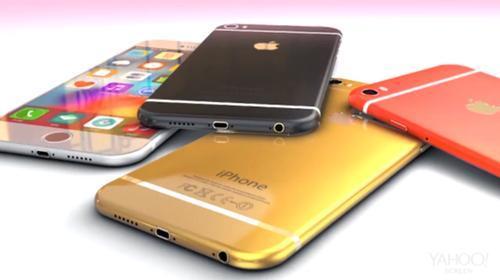
One year on the firm looks set to continue its success with its latest iPhone 6 smartphone. Unveiled in September the iPhone 6 is in many people’s eyes, including us here at V3, Apple’s most interesting smartphone to date.

Featuring a completely new curvaceous metal design, super-fast A8 processor Apple claims is 25 percent faster than the previous-generation A7 and sizeable 4.7in, 1334x750, 326ppi Retina HD display, coupled with Californian firm’s latest iOS 8 mobile operating system the iPhone 6 is on paper one of 2014’s finest handsets.


9.06.2014

What Is NFC, and Why Does It Matter for the iPhone?


What Is NFC, and Why Does It Matter for the iPhone 6?


Apple’s iPhone 6 will reportedly be getting something called near-field communication, or NFC. The feature, which is already available on many Android and Windows Phone handsets, allows owners to wirelessly pay for items at checkout counters and pair the phone with other devices, among other cool things.

In fact, recent reports claim that Apple has signed deals with American Express, Visa, and MasterCard, which will turn the iPhone into a so-called “virtual wallet.” That capability will likely run through NFC.
What follows is a short explainer on what NFC is, how it works, and why you should care about it. So put your learnin’ caps on, and let’s get started.
OK, what is NFC?
NFC is a form of wireless communication that allows the flow of information between two devices. The technology, according to the NFC Forum, comes in three flavors: tag reader and writer, device to device, and card emulation.

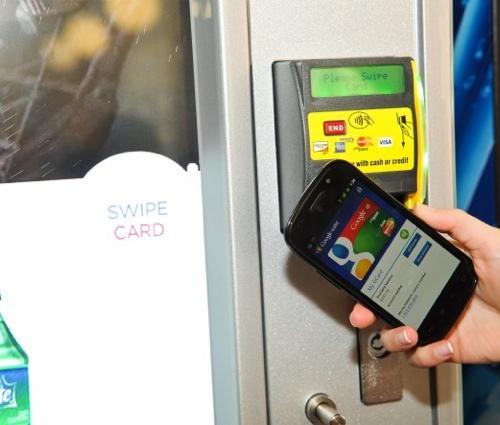
Tag reading lets companies place small, inexpensive NFC-enabled tags on things such as movie posters that people can scan with their smartphones to do things like watch trailers. You could also, for example, tap your phone on an NFC-enabled coupon tag in a store to get special offers.


Swiping a phone on an NFC tag


Device-to-device NFC communication lets your phone talk to another person’s phone so you can trade photos or videos. Device-to-device NFC can also be used to pair your phone with a wireless speaker or printer. And because NFC and Bluetooth are interoperable, you can use NFC to quickly pair your phone to a compatible Bluetooth device.

The biggest potential for NFC lies in card emulation. Using what’s called a secure element that randomly cycles security pins, you could use your NFC-equipped iPhone 6 to pay for your groceries by tapping the handset on a special pad at the checkout counter.
So why hasn’t Apple used NFC before?
Mobile wallets like Google Wallet and ISIS have been trying to jump-start the NFC payment craze for a while now, with little to no luck. Sure, it would be convenient to tap your phone to quickly pay for something and be on your way, but in order for that to happen, both your phone and the store you’re shopping in need to have NFC capabilities.

If your phone has NFC and the checkout counter doesn’t, then you can’t pay with your handset. It’s as simple as that.
What’s more, Apple’s Senior VP Phil Schiller told AllThingsD during a 2012 interview that the company didn’t see NFC as a solution to any specific consumer problems, adding that Apple’s Passbook met customer needs at the time.
Why the change of heart, then?
Since Schiller’s interview, Apple has been making headway in brick-and-mortar stores with its iBeacon technology. iBeacons are little gadgets that you can place anywhere and that can help your iPhone recognize your location in a shop and provide you with nearby sale items and specials.


Apple CEO Tim Cook

What’s more, as Wired recently pointed out, Apple has more than 800 million credit cards on file from users’ iTunes accounts. And in January, Apple CEO Tim Cook even went so far as to say the company was “intrigued” with mobile payments.

According to The Information, Apple has also been in talks with major credit card companies about using a secure element in its phones for use with mobile payments. And recently Wiredtech blog Re/codeand Bloomberg all reported that credit card payment capability was coming to the next iPhone. 
What about Apple Passbook?
If you’re a Passbook user, you’ve got nothing to worry about. It’s likely that Apple’s NFC payment solution would tie into the company’s existing virtual wallet.


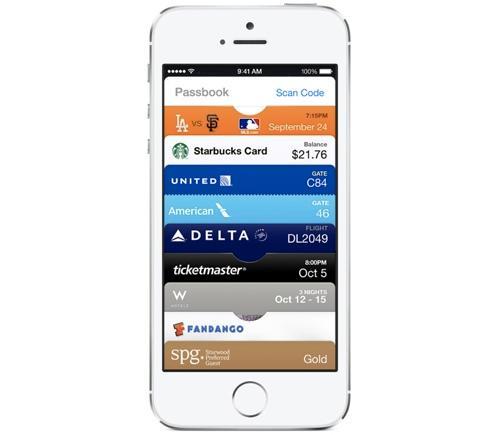
iPhone Passbook app


For the uninitiated, Passbook is an iOS app that allows you to store things like coupons, loyalty cards, airline tickets, and so on. It’s a nifty piece of software, though with the addition of NFC payments, it could become one of the iPhone’s best features.
How likely is NFC to be included with the iPhone 6?
Based on all the reports circulating about the feature, not to mention the above statements from Tim Cook and Apple’s discussions with credit card companies, it’s looking like the iPhone 6 will almost certainly include NFC.

What if I own an older iPhone?
Sorry, but you won’t be able to take advantage of the new credit card capabilities. Current iPhones don’t contain NFC technology, so they can’t take advantage of any new app or system that Apple may introduce. You’ll have to upgrade to an iPhone with NFC installed –– if Apple does, in fact, introduce one. 

Either way, we’ll find out for sure if you’ll start paying for things with your iPhone on Sept. 9, when Apple will unveil its iPhone 6. Stay tuned.

12.08.2013

Top 10 Tablets


The 10 best tablets

From Apple’s iPad to Google’s Android Nexus 7, tablet computers let you browse the web, check emails and download apps, all at the touch of a touchscreen. Matt Warman rounds up the top 10.


From £199


If you use the internet, you almost certainly use Amazon, and if you read books it’s increasingly certain that you also own a Kindle. The Kindle Fire HDX is Amazon’s attempt to move those who already download books into the burgeoning category of those who also download music, film and TV. And while Amazon does indeed let you browse the web or use email on the Fire HDX, more than anything else it is a device for browsing the company’s own store and watching media. As such, it’s got a lovely screen, offering an exceptional resolution with 323 pixels per inch on the 7-inch version. The tablets have quad-core Snapdragon 800 processors running at 2.2 GHz, providing over three times the processing power of the previous generation of Kindle Fire HD tablets. Amazon claims that the devices have 11 hours of battery life based on mixed usage, and up to 17 hours of reading.
Screen 7” 1920x1200 Weight 303g Storage 16/32/64GB OS Android 4.2 with Fire OS 3.0 UI Processor 2.2GHz Quad-core


iPad Air
From £399

While Android phones have caught up with the iPhone, and in many aspects surpass it, the iPad remains a unique proposition and the iPad Air is the best iPad yet. Its light weight and thin form mean it gets out of the way – you don’t notice it, but you notice what you’re doing on it. That, potentially, unleashes a new generation of tablet-based productivity. The fact that Apple is now giving away even more software means that perhaps the rebranding is, therefore, more than simply a marketing exercise. Air may yet be the oxygen for a new wave of uses for the iPad.
Screen 240 x 169.5 x 7.5mm Weight 469g Screen 9.7-inch (diagonal) LED-backlit display, 2048x1536 resolution at 264 pixels per inch (ppi) Processor dual channel (2.4GHz and 5GHz) and MIMO OS A7 chip with 64-bit architecture and M7 motion coprocessor Wi-Fi (802.11a/b/g/n) Camera Front: 1.2MP photos/720p HD video Rear: 5MP photos/1080p HD video


iPad Mini with Retina Display
From £319

The advantage of the Mini, even when it had lower specifications, was always its portability, however. It retains that, augmented now with a brilliant screen that makes reading, editing photos and more seem significantly easier. But with the iPad Air now much more portable too, there’s less to choose between them. The 5MP camera, adequate stereo speakers and a good FaceTime camera make the Mini a superb device, but the Air is a superb device too. This is a seriously improved Mini, only really competing against a seriously improved full-size iPad. Both have processors that make gaming and the most demanding apps run smoothly. It is the only tablet in its class.
Screen 7.9-inch Retina Weight 331g Storage 16/32/64/128GB OS iOS7 Processor M7 motion coprocessor. A7 chip with 64-bit architecture Camera Front: 1.2MP Rear: 5MP
New Google Nexus 7
From £199.99

The updated version of Google’s Nexus 7 hit UK shelves on 13 September. Produced again by hardware company Asus, the emphasis with the new model is on portability, weighing 50g less than last year’s version and coming in at 2mm thinner. And as with its predecessor, one serious advantage over competitors is its price: £199.99 for the 16GB version and £239.99 for the 32GB. Early reviews report improved graphics on the Nexus 7 2’s 1920 x 1200 Full HD 1080 display, a first for 7-inch tablets with 323 pixels per inch. It also offers the possibility of restricted profiles, allowing limits to be set for children’s browsing, and faster switching between accounts. Taking pictures may not be the primary function of tablets, but this one still comes with a 5MP camera on the back and a 1.2MP camera on the front.
Screen 7.02” 1920x1200 Weight 290g Storage 16/32GB OS Android Jelly Bean, 4.3 Processor 1.5GHz quadcore

Xperia Tablet Z
From £399

Sony’s Xperia Tablet Z is the companion device to its (xcellent) Xperia Z mobile phone, and both use a slimline design that is stylish, angular, waterproof and dustproof. The Tablet Z is a lightweight 495g and just 6.9mm thick, yet it gave me a great battery life of more than seven hours. It feels more futuristic even than the iPad simply because it is so implausibly thin and lasts so long. And while I must confess I had no need or urge to test out its waterproof features, that addition is a useful thing to have too. It’s the tablet you could take into the bath if you really can’t put down that book or magazine.
Screen 10.1" 1200 x 1920 Weight 495g Storage 16/32 GB OS Android 4.2 Processor 1.5 GHz quadcore

Galaxy Note 2
From £449

At 5.5”, the Galaxy Note 2 is both a phone and a tablet - hence the ‘phablet’ moniker. But as much of the appeal comes the unique S-Pen technology. This stylus allows you to garner extra information about what’s on the device’s screen simply by hovering above it, and the superfast processor means that this is a device that is as comfortable as a media consumption device as it is as a work unit. For some that means the Note 2 is neither one thing nor the other, but many people still use this it as their main, sole device. It may look like an over-sized phone, but its advantages are considerable. Large screen and impressive capabilities aside, it’s also blazing a new trail.
Screen 5.5” 1280x720 Weight 183g Storage 16/32/64GB, microSD OS Android 4.1 Jelly Bean Processor 1.6GHz quadcore

New iPad
From £399

The latest iPad is a beautiful design that works blazingly fast – the new processor may not technically be the fastest, but it feels slicker than any other tablet on the market. With Apple’s ‘Retina display’ the company also has a screen that is, again, not technically the best on the market but somehow looks arguably more lovely. And now that there are 4G options and a 128GB version, you need never run out of storage again. If there’s a criticism of the new version it’s that it changes the dock connector so that your old cables will need replacing, and battery life could be better. But if you’re prepared to spend the money, the iPad remains – and certainly feels – like the best full-size tablet on the market. Web browsing, emails and more never felt so elegant.
Screen 9.7” 2048x1536 Weight 652g Storage 16/32/64/128GB OS iOS6.1 Processor 1.4GHz dualcore


Microsoft Surface 2
From £359

The Surface 2, which replaces the Surface RT, is powered by an NVIDIA Tegra 4 processor, making apps run faster and smoother, increasing battery life to up to 10 hours for video playback. It will ship with Windows RT 8.1, bringing improvements in areas such as personalisation, search, multitasking, built-in apps, the Windows Store experience and connectivity to cloud-based storage. The latest version of the operating system is built for touchscreens such as the Surface, and indeed this device really does make the operating system make more sense than on a conventional laptop. The tablet is also marginally thinner and lighter than its predecessor, at 0.35 inches (9mm) thick and 1.49 lbs (676g). Surface feels like a lovely product with some great ideas, not least the ultra-slim keyboard. But it’s a device in search of a market.
Screen 10.6” 1920x1080 Weight 676g Storage 32/64GB OS Windows RT 8.1 Processor NVIDIA Tegra 4


Galaxy Note 10.1
£399

Samsung’s Galaxy Note 10.1 is the company’s most serious attempt to change the face of computing yet – that A4 notepad can, Samsung hope, be replaced by this computerised version, which with the S-Pen you can write notes on, and then later on in the day you can watch films and TV shows too. It’s the ultimate work and play device, the company hopes, and can arguable take on the iPad on all fronts and more. Those are lofty ambitions and for early-adopting technology fans there is a lot to like in the Note 10.1. But it hardly heralds the paperless office yet, because the handwriting recognition isn’t perfect, and it also struggles because the screen isn’t up to the quality of its rivals. With 4G connectivity, however, there’s much to like the Note for – it’s a product for geeks for now, but it heralds at least part of the future. It’s also a super-charged version of the S-Pen-free Galaxy Tab 10.1.
Screen 10.1” 1280x800 Weight 600g Storage 16/32/64/128GB, microSD OS Android 4.1 Jelly Bean Processor 1.4GHz quadcore


Nexus 10
From £319

Like the Nexus 7, Google’s Nexus 10 offers a great tablet at a really great price – unfortunately with the this larger model feels like it doesn’t quite have the class of the Nexus 7. That’s not because the screen isn’t fantastic, or because the build-quality isn’t perfectly decent. Rather it’s because of details, such as the way the case replaces the speaker cover, so you can’t easily remove it, and above all the fact that this good hardware revelas the lack of premium tablet apps for Android. On a screen this nice, there should be more to do than simply read books or watch films. Where the iPad provides that, with apps such as Leonardo Da Vinci’s Anatomy offering a novel experience, the Nexus 10 only reveals that Google has a way to go. But not being as good as the iPad is not a major barrier when the price is this attractive. Indeed, the Nexus 10 is still cheaper than the two-generations-old iPad 2.
Screen 10.1” 2560x1600 Weight 603g Storage 16/32GB OS Android 4.2 Processor 1.7GHz quadcore

Best of the rest...


Apple iPad Mini
From £269

Apple’s iPad was the best tablet on the market from the moment it launched, thanks to more apps than anyone else, a beautiful screen and an ease of use that was peerless. Then the iPad Mini was launched. Despite Steve Jobs’ own reservations, it turns out that in fact the 8” screen size strikes the perfect balance between ease of use and portability. It feels more natural to integrate the iPad Mini into daily life than any other device – whether it’s checking a quick email, browsing the web or downloading an app, the Mini is an easier gateway. With a 4G version available, too, it’s got excellent connectivity wherever you are. The downside is that the full-size iPad’s screen is bigger and, on balance, the Mini doesn’t offer the best value for money when compared to other tablets. But it does offer the best user experience, at least until Android develops more of the ‘coffee table’ apps that make the iPad such a joy. The thin, lightweight design is unsurpassed.
Screen 7.9” 1024x768 Weight 308g Storage 16/32/64GB OS iOS 6.1 Processor 1GHz dualcore


Asus Transformer Prime
£499

This updated version of the Asus Pad Transformer Prime was released last year, but may still be worth the investment. The high-definition, 10.1-inch screen with 1280 x 800 resolution has earned praise, and is a definite bonus for those planning on watching films or playing games on the tablet. The Transformer label comes from the keyboard which can be snapped on to turn the tablet into a laptop, making the product useful for people working on the go too. Manufacturers say the battery life is 18 hours, but reviewers have seen it wind down before this and the device can only be charged from the mains and not via USB. In terms of pictures, the Transformer Prime offers an 8MP autofocus camera on the back and 1.2MP front-facing camera for selfies and Skype calls.
Screen 10.1” 1280 x 800 Weight 586g Storage 16/32GB OS Android Honeycomb, 3.2 Processor 1.3GHz quadcore


iPad 2
From £329

The only real reason not to buy the iPad 2 is that a better one is now available – but with iOS5 updated to iOS6, decent battery life and a great price, the iPad 2 offers everything that made the original iPad so impressive. That means a huge library of luxurious apps, plus effortless web browsing, decent email and the design that made Apple the leader in its field. At £329, this is by no means the cheapest tablet on the market, but it remains one of the most capable, and it is of course compatible with all the accessories that are built around Apple’s ecosystem. The original connector means your old cables will work, too.
Screen 9.7” 1024x768 Weight 601g Storage 16GB OS iOS5 Processor 1GHz dualcore


Kindle Fire HD
From £159

Although the new Kindle Fire HDX is a considerable improvement, it is worth considering the Kindle Fire HD simply because of the lower price and because it is still a great production. It boasts the entire Andoird app selection, and nifty additions such as X-Ray easily let you see whoever is on screen a film, too.
Screen 7” 1280x800 Weight 395g Storage 16/32GB OS Android (adapted) Processor 1.2GHz dualcore


Tesco Hudl
£119


Tesco's low cost Android device with 7” HD screen aims to make tablets accessible to a new market. Tesco Clubcard customers can even use a scheme called 'Boost' to double the value of their Clubcard benefits, potentially buying the device for £60 in vouchers. It competes with Amazon’s 7” Kindle Fire, which currently retails for £99 but features less memory and a slower processor. The device will run on the Jelly Bean version of Android’s operating system, and offer 9.5 hours of battery life. Tesco will preload it apps such as YouTube, and has built bespoke versions of its existing digital services such as Blinkbox for films and music as well as its family-focused free service Clubcard TV. It is available in four colours and includes 16GB of storage, expandable to 48GB. It is aiming at a market that isn't technology savvy but is interested, is aware of the iPad, and knows that apps, the internet offer a whole new world from a shopping and entertainment perspective.
Screen 7” 1440x900 Weight 370g Storage 8GB up to 32GB with microSD card OS Android 4.2.2 Jelly Bean Processor 1.5GHz A9 quad-cor


Nokia Lumia 2520
£309

The Lumia 2520 is Nokia's first 'phablet' smartphone, meaning it works as a tablet and a phone. It is a high-end device with a 10.1-inch screen and five-point multitouch. The case is made from a single piece of plastic which tapers thinner towards the edges and will come in a range of bright colours Gorilla Glass 2 has been used on the screen for robustness, and LTE connectivity makes it usable even when away from a wifi connection. The latest Windows RT 8.1 OS will also ship with the device. Nokia has also launched an optional "power keyboard" which forms a protective cover and also gives you a full keyboard and trackpad, as well as adding an extra five hours battery life to the 2520's existing 11-hours. It is launching in time for Christmas in the last quarter of this year.
Screen 10.1” 1920x1080 Weight 615g Storage 32GB and microSD card OS Windows 8.1 RT Processor 2.2GHz quad-core Qualcomm Snapdragon 800


Asus MeMo Pad
£129

This 7-inch tablet uses Android 4.1 Jelly Bean and comes in a colourful design. The added bonus is it is being given away for free with The Telegraph, if you subscribe for a year. It has seven hours of battery life for all-day computing, and is very light at only 358g, and 11.2mm thin. The front camera is high-definition, and it has a micro-SD slot with support for up to 32GB extra storage. ASUS WebStorage allows you to view, edit and save Microsoft Office files online. It also uses MyCloud and MyLibrary software and has one GB memory.
Screen 7” 1024 x 600 Weight 358g Storage 8/16GB and micro-SD OS Android 4.1 Jelly Bean Processor WM8950 1GHz quadcore 


If you know a Device that should be included on this list please leave comment!

VPN App and VPN Plugin

Why a VPN app is always better than a VPN plugin If you want to use the internet privately and securely, then you need a VPN. But with a...